
Introduction
Miso Soup is a Japanese comfort food that is both easy and delicious to make, rich in umami, and warm. It is a light but nutritious soup prepared with miso paste and dashi broth that is traditionally eaten at breakfast, lunch or dinner in Japan. Miso soup may be made from just a few ingredients, but it packs a punch of flavor and nutritional benefits.
You will be able to create an authentic style miso soup at home with easily accessible ingredients with this Miso Soup Recipe. Easy to make, easy to customize and ideal for all who want something healthy and comforting. From its subtle taste to its health benefits, miso soup is a perfect choice for any meal, whether it’s a main course or a side dish.
What Makes Miso Soup Special
The miso soup is distinguished by its umami flavor, which is the unique flavor from a fermented soybean paste called miso. This fermentation process adds savoriness to the soup, satisfying it, though it is low in calorie.
One of the other important ingredients is dashi, a traditional Japanese seaweed and dried fish flakes soup. Dashi adds a faint oceany taste to the miso, but doesn’t overpower it. When combined, miso and dashi provide an ideal base.
The soup is very versatile, as well. Made with tofu, seaweed, vegetables or mushrooms, there’s no limit to the number of variations depending on preference and season.
Ingredients
- 4 cups water
- 1 tablespoon dashi powder or 2 cups prepared dashi stock
- 3 to 4 tablespoons miso paste (white, yellow, or red miso)
- 150 grams soft tofu, cut into small cubes
- 2 tablespoons dried wakame seaweed
- 2 green onions, finely sliced
- 1 cup mushrooms (optional, sliced shiitake or button mushrooms)
- 1 teaspoon soy sauce (optional, for extra depth)
- 1 teaspoon sesame oil (optional, for aroma)
Preparing the Dashi Broth
Dashi broth is the basic element of miso soup. For instant dashi powder, add hot water to the packet, following the packet’s instructions. To make traditional dashi, simmer kombu (dried seaweed) in water off the boil and remove before it boils, add the bonito flakes and strain after a few minutes.
The broth should be light and clear, and taste like it has a lot of umami. This is the base that gives miso soup its characteristic flavour.
The broth should be hot, but not boiling, since the delicate flavors in the miso may be altered later in the process if it is boiled too vigorously.
Hydrating the Seaweed
Dried wakame seaweed will swell when soaked in water. Dip it in cold water for about 5-10 minutes to soften and swell it.
When done, drain off the excess water and put to the side. Wakame is one of the traditional ingredients in Japanese soup and brings a mild ocean flavor and soft texture to the soup.
Adding Tofu and Vegetables
Bring the dashi to a gentle simmer. Carefully add the tofu cubes, making sure that they don’t crumble. Tofu provides protein and a smooth, creamy consistency to the soup.
Add mushrooms if using, at this point. They add depth of flavor to the dish and add just a bit of chew.
Cook gently for a few minutes for the ingredients to soak up the flavour of the broth.
Incorporating the Miso Paste
Correctly adding the miso paste is the most critical part of making miso soup. Take some of the warm broth and mix in the miso paste. Completely mix and eliminate any lumps.
After dissolving, slowly return the miso mixture to the pot. This is to make sure that the miso is well mixed and does not clump.
Boiling the soup after adding miso is extremely significant because it can kill the good bacteria and change the taste of the soup.
Final Seasoning and Adjustments
The flavour can be changed at this stage, if desired. For a bit more flavor, stir in a little soy. A couple drops of sesame oil may be added for a more aromatic fragrance.
Taste and season soup lightly. Most of the time, miso is sufficiently salty on its own and so salt should not be added.
Allow the soup to simmer a minute or two so all of the flavors can meld.
Serving the Miso Soup:
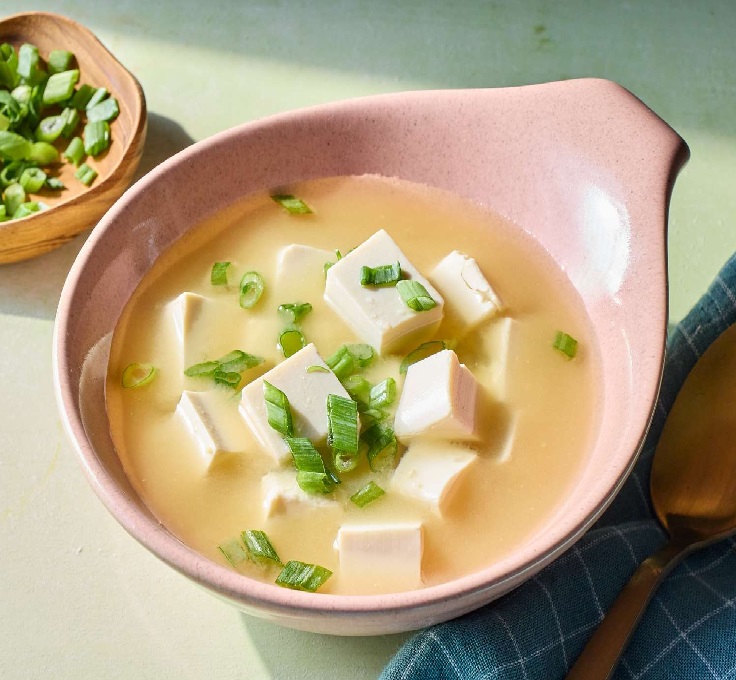
Carefully pour the soup into bowls, ensuring that each one contains tofu, seaweed, and broth.
Squeeze over with freshly cut green onions to add a fresh and colorful touch. The green onions bring a subtle point of sharpness to the soup, complementing the umami depth of the broth and meat.
Miso soup is at its best if made and consumed fresh and warm. It is a favorite accompaniment to rice, grilled fish or Japanese dishes.
Variations of Miso Soup
Miso soup is a very versatile soup that can be made in numerous ways.
To make it heartier, add zucchini, spinach, or carrots. All these vegetables add to the nutritional value and make the soup more filling.
For a protein packed version, include shrimp, chicken or clams. Seafood, particularly, complements the umami base well.
In the vegan version, make sure to use only kombu without bonito flakes to make the dashi.
Try out different kinds of miso paste. There are two types of miso: white miso, which is mild and slightly sweet, and red miso, which is more intense in flavor.
Health Benefits of Miso Soup
Miso soup is a popular food due to its nutritional value. Low in calories, but high in nutrients, it is suitable for balanced diets.
Miso paste is a fermented food, containing healthy probiotics for gut support. These probiotics are beneficial for enhancing digestion and overall immune health.
Tofu is a source of plant-based protein and essential amino acids and seaweed is packed with minerals like iodine and calcium.
Miso soup is also light and nourishing so it’s often used as a ‘comfort’ food when someone is sick.
Storage and Reheating
Miso soup will taste best when freshly prepared; if necessary, store it.
Let the soup cool down completely before putting it in an airtight container. Keep in refrigerator for up to 2 days.
If it is to be reheated, do so on the lowest possible setting. Avoid boiling the soup as this will impact on flavor and nutrition.
Keep broth and tofu and seaweed in two different storage containers, if possible, to help keep tofu and seaweed from becoming runny.
Common Mistakes to Avoid
A frequent error is to boil the miso after you have added it. This compromises its fragile taste and good enzymes.
The other error that can be made is putting the miso directly into very hot broth without dissolving it in first, which can cause clumping.
Don’t add too much miso or the soup will be too salty, so add a little at a time and taste the soup.
Watch for overcooking tofu or seaweed as well, adding it slowly and heating it up for a short time.
Read our next article: Slow Cooker Creamy Tuscan Chicken Pasta Recipe
Conclusion
Miso soup is an easy, flavorful dish which embodies Japanese cooking. It’s not difficult to make with a few simple ingredients, and leaves you feeling warm, nourished and comfortable every time you taste.
The versatility it offers can also be adapted according to the tastes and health requirements, so it can both be part of a daily meal or refined for a special event. From being a starter, to a light meal, miso soup is an ancient recipe which combines taste and health benefits.
With this recipe, you can make authentic-style miso soup at home and savor its delicious and comforting umami anytime.